The World Youth Forum is an annual conference held in Sharm El Sheikh, Egypt that hosted 7000 young people from 164 nationalities in 2019. It serves as a platform at which aspiring leaders can engage directly with policymakers under the general theme of peace, prosperity, harmony, and progress.
I was fortunate to be invited to the forum this year as a speaker to deliver a presentation about blockchain and entrepreneurship. My message to the youth was to use this incredible technology to be creative through innovating and disrupting conventional business processes, especially within the fields of law and finance. I warned corporates and government that innovation with blockchain requires no permission and that they should prepare themselves for change. Conventional financial systems are outdated, and many make the mistake of trying to find problems that a blockchain can solve. I compared this strategy to the post office thinking it will use the internet to track the location of their letters. While that is indeed an interesting application of the internet, this hypothetical post office fails to realise the ability of the internet to remove the demand for letters altogether. If, however, corporates and government take the necessary steps to re-align their business processes in preparation for blockchain, they could not only ensure survival, but also reach bigger markets than ever before.

The World Youth Forum 2019 was the most professionally organised conference I have ever attended. I was pleasantly surprised by the hospitality of the Egyptian people, and how a year of intense planning ultimately lead to a world class event.
After a series of pre-event workshops, the opening ceremony kicked off the forum on 14 December. The 7000 strong audience, from a wide variety of nationalities, races and religions were instantly united through singing, dancing and the waving of flags. It created a truly electrifying atmosphere! After an hour of celebration, the opening ceremony commenced with the welcoming of numerous political ambassadors and Egyptian President Abdel Fattah El Sisi. We also heard inspirational stories from amongst others Jessica Cox, the world’s first licensed armless pilot and 12 year old Zane Yousef, a four-time cancer survivor.
The 4 day conference continued the next day with a series of talks, panels and roundtable discussions. President Fattah El Sisi was noticed during many of these while actively engaging with the youth. Topics such as food security, entrepreneurship, environmental challenges and women empowerment were part of the agenda.
In addition to the main event, the World Youth Forum also hosted several other initiatives including a Model Union for the Mediterranean, the World Youth Theatre, WYF labs and Freedom.e.
WYF Labs is a platform that hosts a network of young start-ups with a vision of working towards achieving the sustainable development goals of the UN. WYF Labs runs a parallel agenda to the Forum, where they connect these start-ups directly with policymakers, corporates and incubators.
Freedom.e was an area outside the main conference hall. Through a set of unique experiences, we had the opportunity to unleash our creativity while experiencing different cultures. Some of the activities included virtual reality tours, making digital music and reflection through art. There was even an open stage where anyone could present on any topic to a live audience.

The conference finally concluded with the WYF2019 recommendations and closing ceremony on 17 December. President Fattah El Sisi awarded several young individuals for exceptional achievements, before the Executive Director of the National Academy for Youth Training, Rasha Ragheb, announced 10 recommendations that emerged from the discussions. Some of the recommendations include:
- Launching an African initiative to promote digital transformation and governmental excellence in collaboration with the African Union and Africa’s Regional United Nations Technology Innovation Lab to sponsor technology innovation.
- Launching an initiative among African universities to focus on the fourth industrial revolution studies.
- Launching an initiative to support blockchain apps achieving Sustainable Development Goals in collaboration with WYF 2019 Lab. (WOW!)
What struck me was that the president mandated these recommendations and others to government officials at the conference. He is clearly a man of action.
This event expanded my frame of reference to the issues that today’s youth are facing. Last week, Barack Obama said that “most of the problems in the world came from old people, mostly men, holding onto positions of power”.
The experience in Egypt convinced me that this statement is true, and that there is no better platform than the WYF for tomorrow’s leaders to stand up and make their voices heard. To the organisers, the attendees, the speakers and His Excellency President Abdel Fattah el Sisi, I thank you. May this incredible initiative continue to grow from strength to strength.
The first edition of this course was held in collaboration with the African Leadership University (ALU) and the Insurance Institute of South Africa (IISA) and powered by the Insurance Sector Education and Training Authority. The course was delivered to executives from some of the top insurers in South Africa at the IISA campus in Sandton, Johannesburg.
On the first day, the Blockchain Academy’s instructor, Carel de Jager, provided a broad, non-technical overview of distributed ledger technologies, how they work, and why they have disruptive potential. Concepts addressed include what trust is in a business context and how a blockchain can replicate that trust. The aspect of immutability was defined and it was demonstrated how competitors can share information, using both public and private permissioned blockchains. Digital identities of the attendees were created and were stored on the Bitcoin blockchain, using similar techniques to Microsoft and Civic.
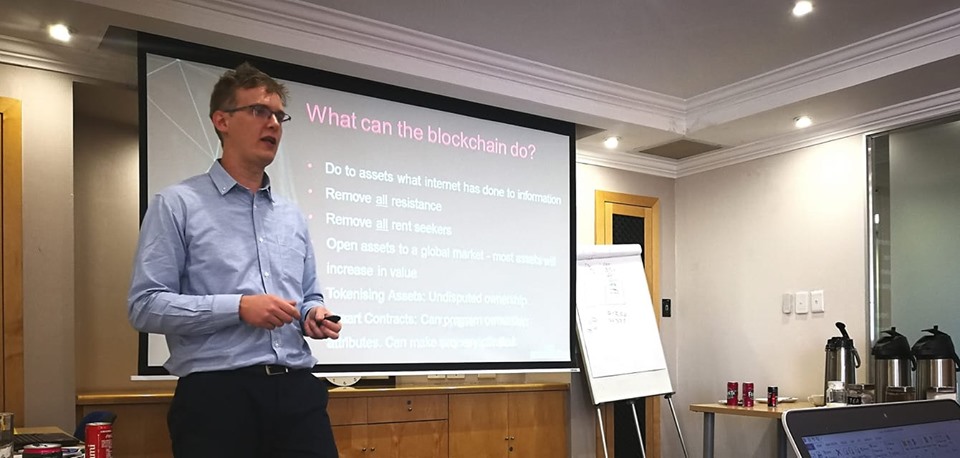
Day 2 focused on general and insurance related blockchain use cases. Carel explored how blockchain and smart contracts can help both the insurance provider and client benefit from managing claims in a responsive and transparent manner. Documents were stored on public blockchains and provenance processes for insurers were conceptualised. He showed how blockchains can solve very specific issues with data collection and Internet of Things (IoT) and proved Know Your Client (KYC) and Anti-Money Laundering (AML) compliance with the digital identity systems, created on the first day. It was explored how smart contracts will potentially disintermediate insurance providers and discussed how these corporates can position themselves to remain relevant and sustainable, and how to utilise the technology to reach bigger markets than ever before.Carel demonstrated how insurers can accept cryptocurrency payments, provide custodianship and inheritance planning for digital assets, defined micro-insurance and streaming of payments, showed the inner workings of a mutual smart insurance contract, presented how claims processing and policy creation can be streamlined and how blockchains enable competitors to work together to assess risk.
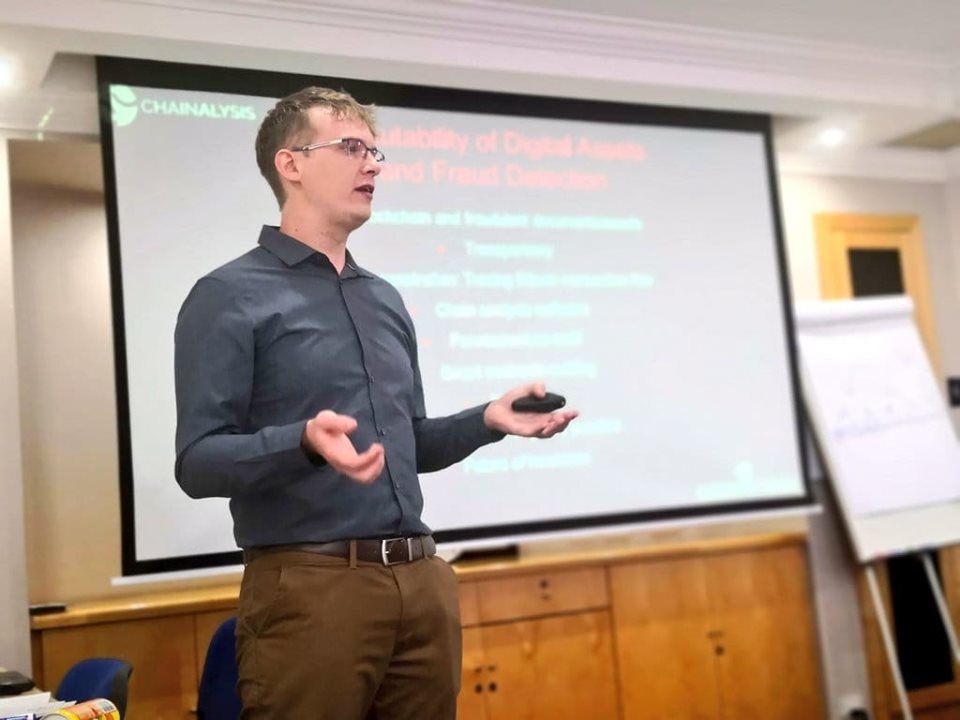
It was a packed two days, with engaging discussions and activities in between the theory sessions which provided welcome breaks to allow the attendees to digest all of the information!
The last day of the course allowed the attendees the opportunity to apply what they learned during the course in order to develop a blockchain service prototype based on a problem case. This day was facilitated by the ALU’s instructor Kelebogile, who guided attendees to define a specific problem inside the insurance industry, develop a blockchain solution and present it in the form of a blank canvas. Fascinating solutions emerged from this exercise, including a payment platform for international clients, a private permissioned blockchain to assess risk, a marine insurance smart contract template and a crypto-asset custodianship service provider.
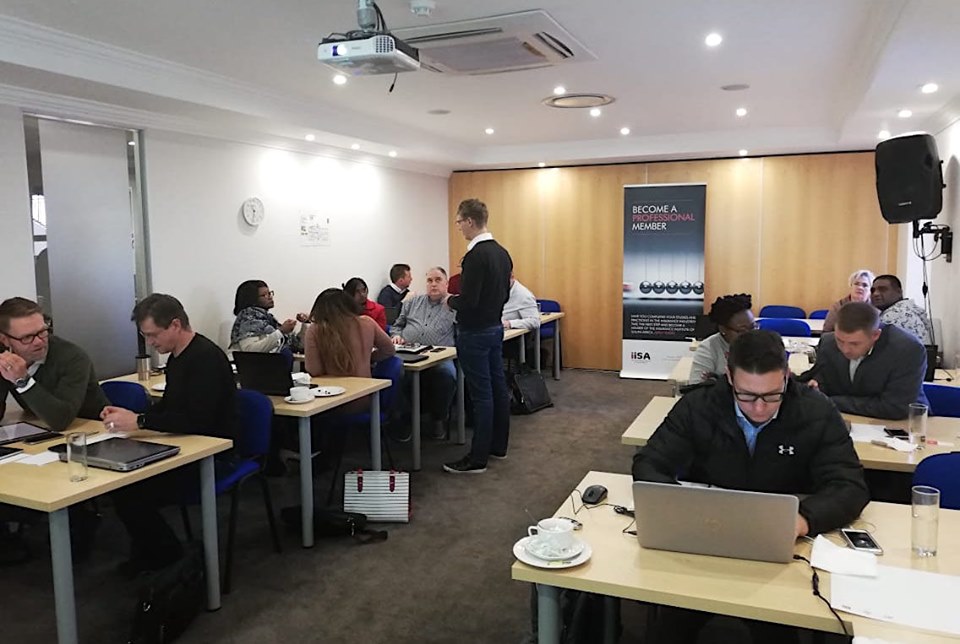
This course is available to groups of 8 or more attendees. Contact us at info@blockchainacademy.co.za to make your booking.
]]>
According to the Upwork Skills Index blockchain developers are the most in demand, with the demand far outpacing the supply. Blockchain is the fastest-growing skill out of more than 5,000 skills on Upwork. Some of the blockchain-related jobs available on Upwork website are — distribution system engineers and developers of various languages like Solidity (programming language for writing Ethereum smart contracts) and Node.js. Also, C++ programmers (also used for coding Bitcoin’s most commonly used client Bitcoin core) are in huge demand. Telegram community managers and white paper writers are some of the other common skills organisations are looking for.
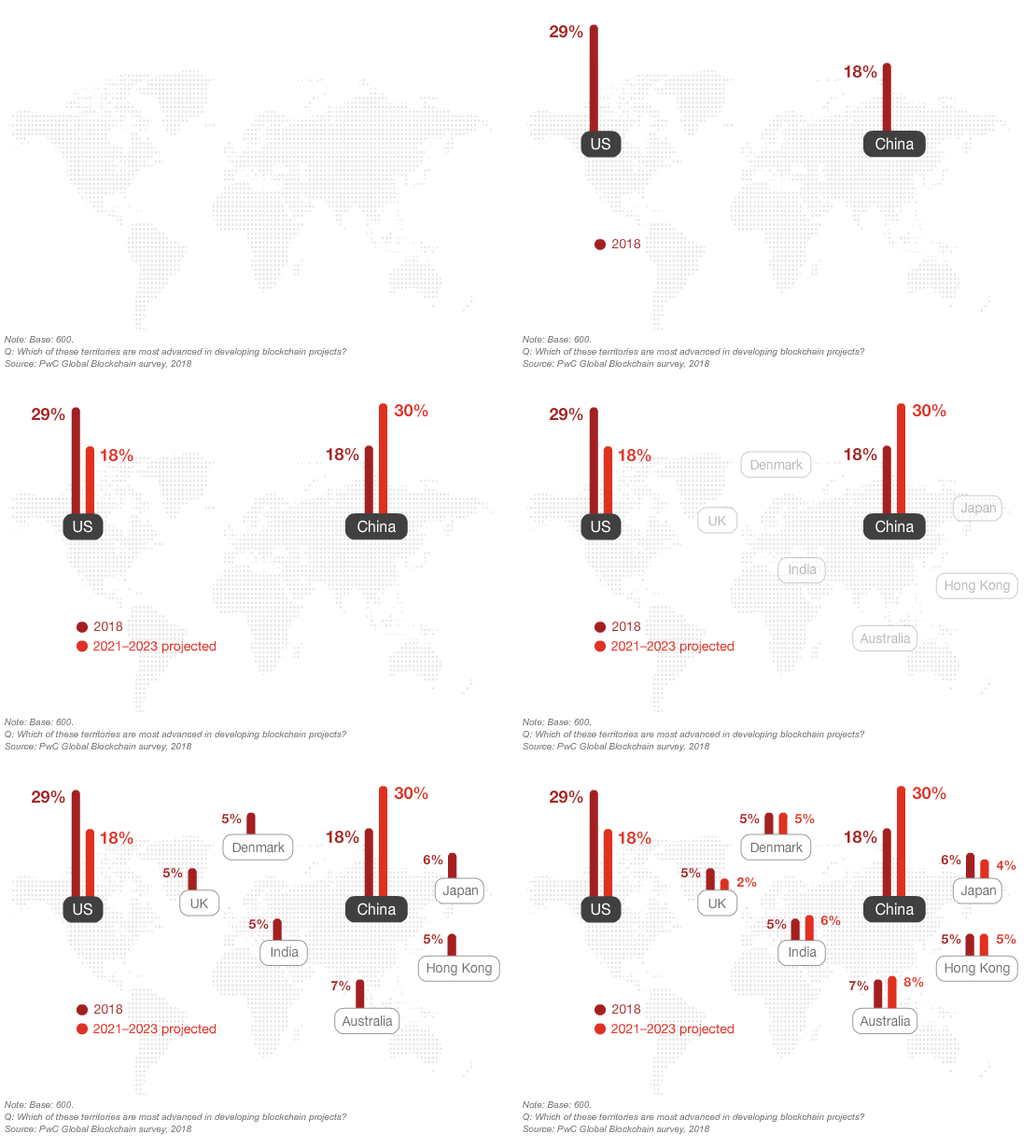
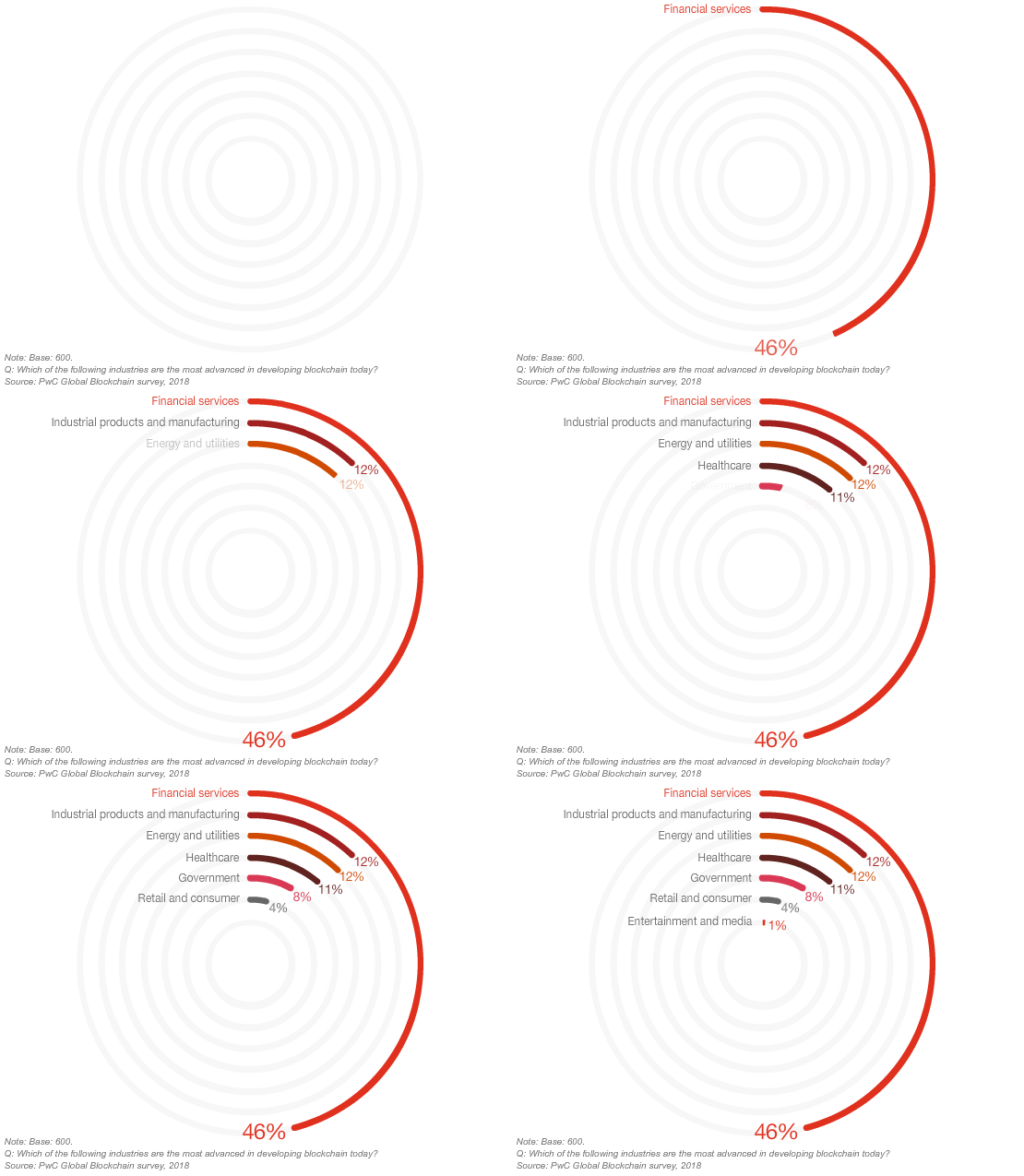
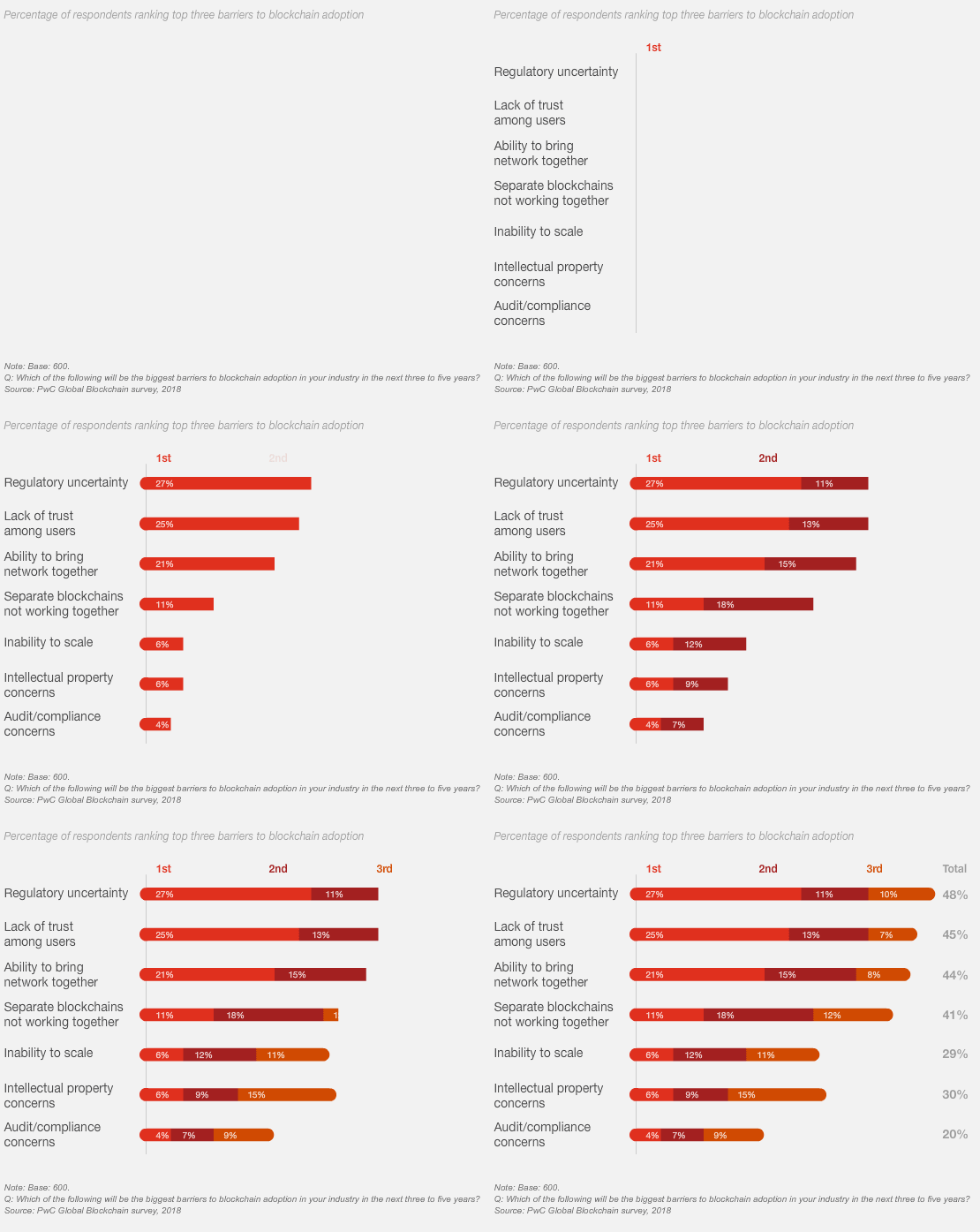
PwC’s recent Blockchain Survey, Blockchain is here. What’s your next move? included 600 executives from 15 different countries (South Africa not included) with 84% of the respondents saying they have blockchain initiatives underway.
Which territories are seen as blockchain leaders — today and tomorrow
Which industries are seen as leaders in blockchain
The biggest barriers to blockchain adoption
View the presentation for more on which blockchain skills are most in demand and other industry trends.
]]>– Blockchain Academy’s Managing Director, Sonya Kuhnel,
– Aunnie Patton Power (Founder of Intelligent Impact, an Entrepreneur in Residence at the Skoll Centre for Social Entrepreneurship, an Associate Fellow at the University of Oxford’s Saïd Business School),
– David Wood (Founder of Wadappt- a blockchain based smart contract platform that uses innovative financing techniques to allocate substantial amounts of capital directly into conservation efforts in Africa),
– Shaun Conway (the founder of the Ixo Foundation and co-creator of TrustLab),
– Fleur Heyns (Part of 17AssetManagement, an asset management company in partnership with the UN based out of New York and Proof of Impact an impact verification company leveraging off blockchain innovations incorporated in the Netherlands) and
– Danai Musandu (member of the South Africa Goodwell team, where she is in charge of development of the investment process).
View some of the highlights in the video below.
Sonya Kuhnel, Managing Director and Nasreen Saunders, consultant at the academy presented the basics of getting started with bitcoin. The majority of the attendees indicated that they did not have any bitcoin so the presenters explained how to start from the very beginning: how to open a bitcoin wallet, how to get your identity verified and what the different verification levels mean, how a typical cryptocurrency exchange works and how to place orders on the exchange. Many beginners to trading have no idea how the transaction fees on these exchanges work, so Sonya broke down the fee structure which include maker, taker, withdrawal and receiving bitcoin fees. Nasreen discussed how to secure a wallet with two-factor authentication so that an extra layer of security exists and that your wallet is not vulnerable to being hacked or being accessed by an un-authorised party. She described various different types of wallets such as hardware, software, mobile, paper and brain wallets and the advantages and disadvantages of each.
Sonya explored some of the merchants that currently accept bitcoin such as local company, Takealot. Takealot started accepting bitcoin as payment for any of its products in 2014 when PayFast, a payment processing company, partnered with Luno to allow all its merchants to accept bitcoin payments on their websites. Sonya also explained how companies such as US-based BitPay and Coinbase enable merchants to accept bitcoin by providing merchants services such as plugins, libraries and API’s. She also explained that over 100 000 merchants accept bitcoin globally as a form of payment with only a few in South Africa.
Luno kindly provided each attendee with a promo code to access R20 worth of free bitcoin, which attendees could access once they had set up their Luno wallets.
The presenters ended the evening off with a Question and Answer session where the attendees could ask any questions they had.
]]>Arif Ismail, provided an interesting perspective from a regulator standpoint on regulating cryptocurrencies such as bitcoin and what the real risks are to consumers in South Africa. Arif said that the SARB is in the process of developing regulations to address concerns in the FinTech industry, however the regulatory position of the SARB is still “use at your own risk” as per its 2014 position paper on virtual currencies. To date, the SARB have been very proactive in meeting with businesses and startups in the blockchain space to understand not only the risks cryptocurrencies pose but also the tremendous number of opportunities. Arif is head of the SARB FinTech unit especially tasked to look at this technology and provide regulatory guidance in future.
Justin Clarke then discussed how his company Wealth Migrate, have used blockchain technology in the global property market.
Mufti Umair Patel, Shaykh Joe Bradford, Mufti Faraz Adam and Shaykh Mahomed Shoaib Omar discussed the Islamic perspective on cryptocurrencies and if in fact they can be considered Sharia compliant. In conclusion, the speakers on the Islamic perspective did view cryptocurrencies Sharia compliant.
The last session of the day, was the panel with Justin Clarke, Sonya Kuhnel, Nicholas Allen, Nevellan Moodley and Mufti Umair Patel. The audience asked the panelists various questions from how the rest of the world’s regulators view bitcoin, if cryptocurrencies will disappear, to ICO scams and risks, to the importance of blockchain the technology versus bitcoin the cryptocurrency.
]]>Read more about the event here.
]]>The students asked many interesting and pertinent questions regarding how cryptocurrencies are disrupting traditional finance models and what the future holds for this exciting technology. Others questions posed to the instructor included;
– if cryptocurrency will ever completely replace fiat currency, and if so, by when?
– what exactly does the term pseudonymity mean?
– why will there ever only be 21 million bitcoin?
– how would one acquire bitcoin after 2140?
– how to create your own cryptocurrency/token?
It was great to see an academic institution such as the University of Cape Town providing the opportunity to educate its students on one of the most disruptive technologies of our time!
]]>